
Increase your water sustainability.


Increase your water sustainability.
Water availability has always shaped life in the Texas Hill Country. Today, recurring drought, growing development, and increased demand on groundwater are causing more property owners to think carefully about where their water comes from—and how reliable that supply will be over time. For many rural homes and ranches, a private well is an important part of the property’s water supply.
Capturing rainfall where it falls gives landowners another way to make productive use of a natural resource already reaching their property.
A rainwater collection system does not have to completely replace an existing water source to be valuable. Depending on the property and system design, harvested rainwater may be used to:
For Hill Country landowners, the goal is often simple: create greater control over the water available on their own property. A properly planned rainwater collection system turns roof runoff into stored water that can be held for the times you need it most.

Many land owners north of San Antonio near Spring Branch, Bulverde, Blanco, are concerned about depleting water sources and have turned to rainwater collection and rain harvesting.
Texas Land Authority designs and installs custom rain harvesting systems near Fair Oaks Ranch in Boerne, Canyon Lake, Schertz, Marble Falls, Wimberley, Bulverde, Spring Branch, and other Texas Hill Country communities.

A rainwater collection system captures rainfall from a roof or other suitable catchment surface, moves it through a series of collection and treatment components, and stores the water for use when needed.
The exact configuration depends on the property, available roof area, storage capacity, water demand, and whether the collected rainwater will be used for household water, irrigation, livestock, or other purposes.
Rain falls onto the roof, which serves as the primary catchment surface. The amount of water a property can collect depends largely on roof size, rainfall, and the efficiency of the collection system.
Gutters and downspouts direct rainwater from the roof toward the storage system. Properly designed conveyance helps move water efficiently while minimizing loss and contamination.
Screens, filters, and first-flush or pre-filtration components help keep leaves, insects, sediment, and other debris from entering the storage tank.
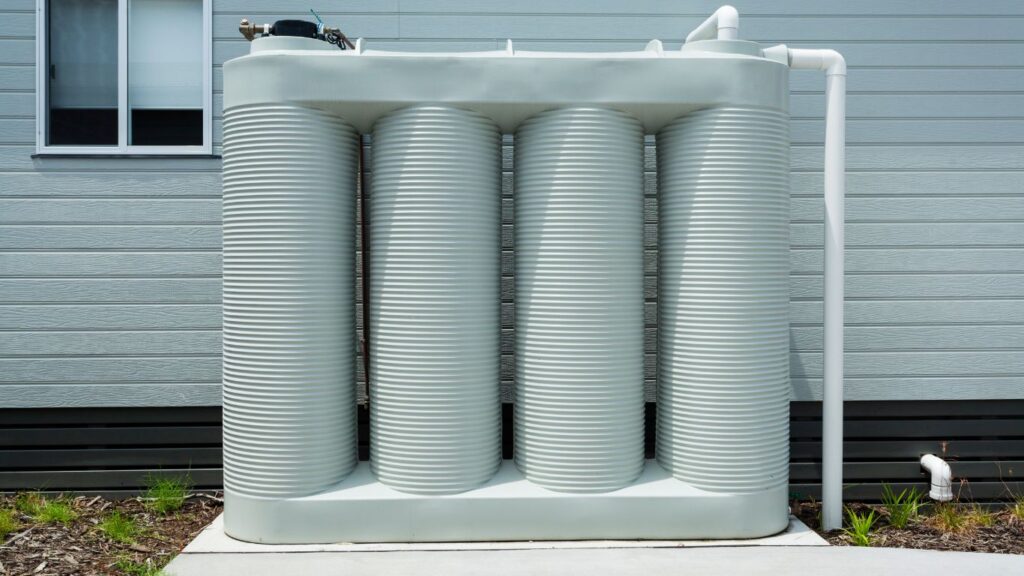
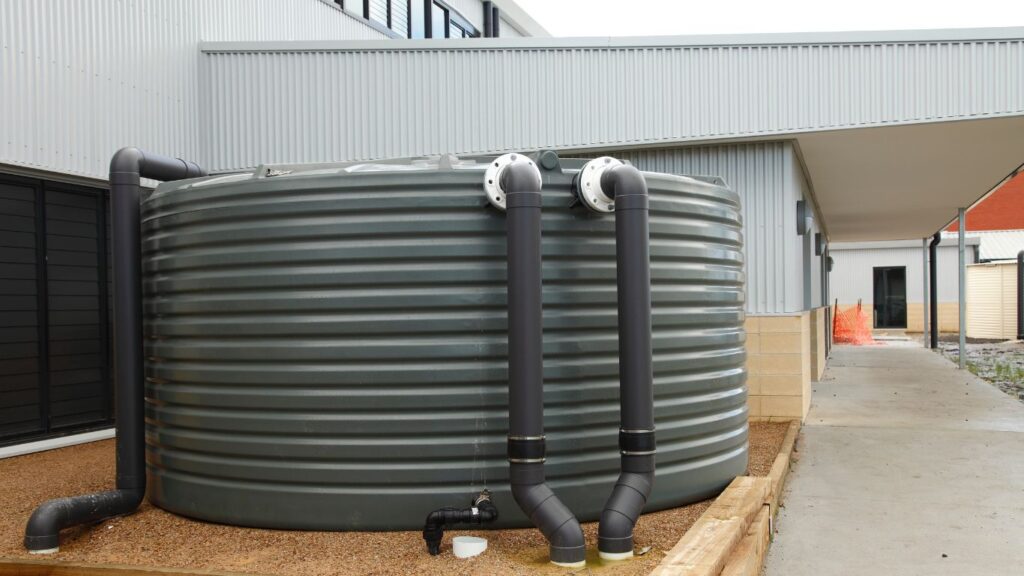
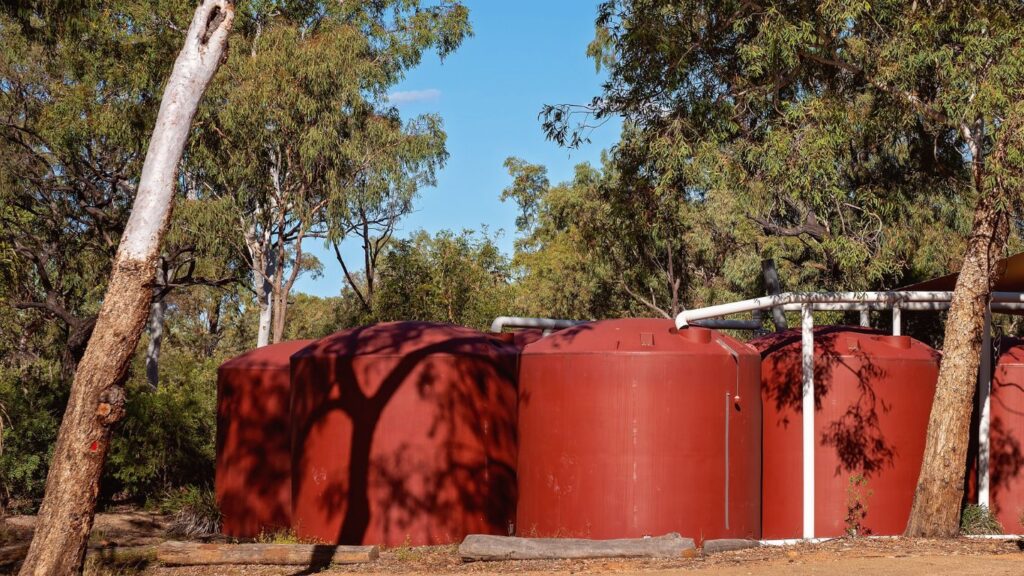
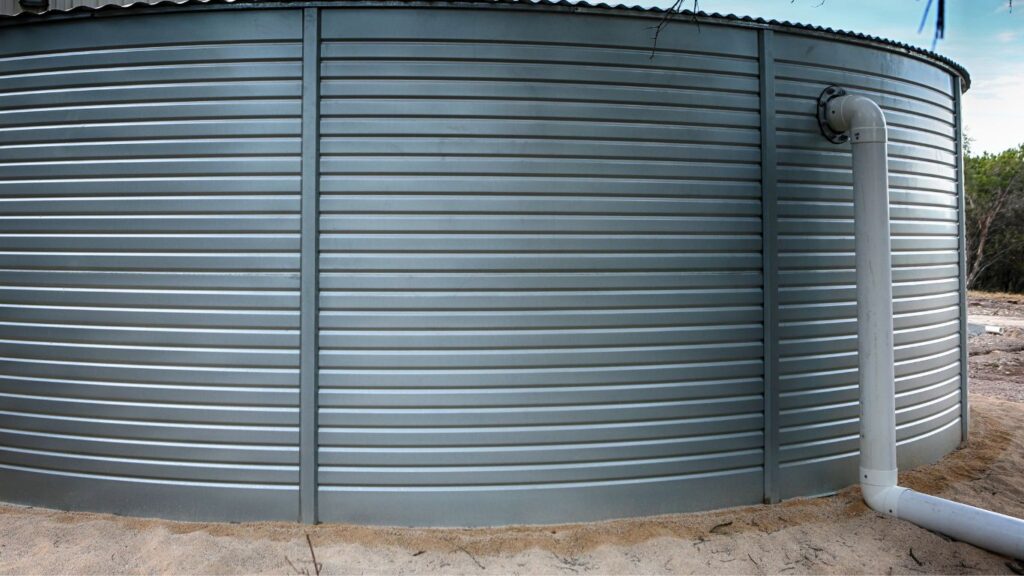
The water flows into a rainwater tank or cistern sized for the property’s catchment potential and anticipated water use. Tanks may be configured individually or connected to provide greater storage capacity.
A properly sized pump moves stored rainwater from the tank through the plumbing and filtration system so it can be delivered where it is needed.
Filtration and treatment depend on how the water will be used. Rainwater intended for household or potable use requires a more comprehensive treatment system than water collected exclusively for landscaping, irrigation, or livestock.
Once stored and appropriately treated, harvested rainwater can be delivered to designated points of use throughout the home or property.
Capture → Convey → Pre-Filter → Store → Pump → Treat → Distribute
A well-designed rainwater collection system brings each of these components together as one coordinated system sized around the property and its water needs.

The amount of rainwater you can collect depends primarily on three things: the size of your roof catchment area, how much rain falls on your property, and how efficiently your rainwater collection system captures and stores that water.
As a general rule, one inch of rain falling on one square foot of roof produces approximately 0.62 gallons of potential rainwater.
That means a 2,000-square-foot roof receiving one inch of rain could produce about 1,240 gallons of water before normal collection losses are considered. In a properly designed system, some water will be lost through first-flush diversion, splash-out, evaporation, overflow, and other system inefficiencies.
A larger roof provides a larger catchment surface. More rainfall creates more collection opportunities. Together, those two factors determine how much rainwater your property could potentially capture.
For example:
2,000 sq. ft. roof × 1 inch of rain × 0.62 = approximately 1,240 gallons of potential rainfall
Actual collection will be somewhat lower once normal system losses are considered.
This is why two neighboring Hill Country properties may have very different rainwater collection capabilities. Roof size and configuration, rainfall patterns, gutters and downspouts, collection efficiency, and available storage all influence the amount of usable water a system can capture.
Collecting rainwater and storing rainwater are two different calculations.
A property may have the roof area to capture thousands of gallons during periods of heavy rainfall, but the system can only retain the amount of water its tanks have capacity to store. Once the tanks are full, additional rainfall may overflow unless additional storage is available.
The goal is not necessarily to install the largest tank possible. The goal is to balance:
Roof catchment area → Local rainfall → Water demand → Storage capacity
A properly sized rainwater collection system considers how much water your property can realistically capture, how much you expect to use, and how much storage you need to carry you through periods with little or no rainfall.
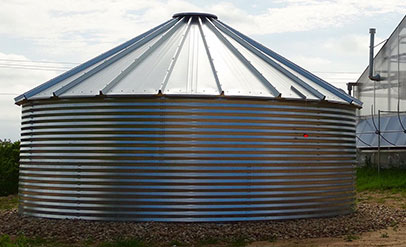
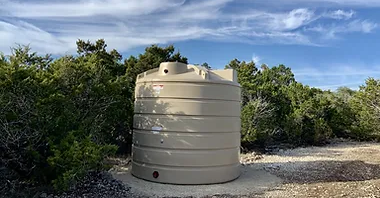
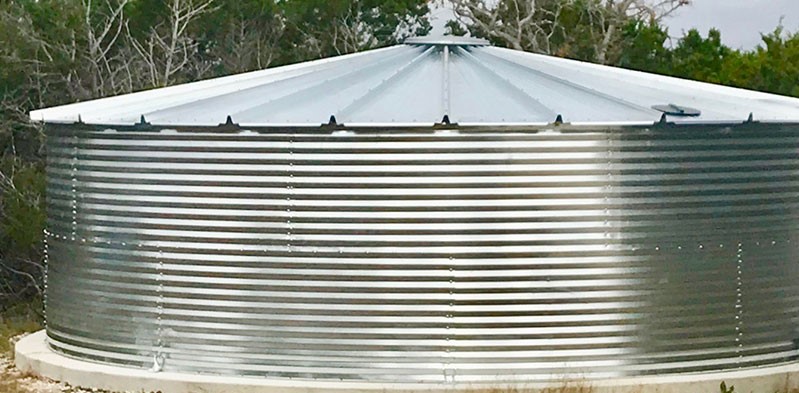


Rainwater can be collected and stored for a wide range of household, agricultural, and property uses. The right system depends on how the water will be used and what level of filtration or treatment is required.
Collected rainwater may be used for:
For many Texas Hill Country landowners, rainwater harvesting provides flexibility—allowing one system to support multiple water needs across the home and property.

The way you plan to use collected rainwater determines how the water should be filtered and treated.
Rainwater used for landscaping, irrigation, or livestock may require a different treatment approach than water intended for household or potable use. Systems designed for drinking, cooking, bathing, and other indoor uses require appropriate filtration and treatment to remove sediment, microorganisms, and other potential contaminants.
A complete rainwater treatment system may include pre-filtration, sediment filtration, pumps, water-treatment equipment, and disinfection components selected according to the intended use of the water.
Texas Land Authority designs filtration and treatment into the overall rainwater collection system so the tank, pump, plumbing, filtration, and point of use work together as one system.
Planning a potable or whole-home rainwater system? Talk with Texas Land Authority about the filtration and treatment your property may require.
A complete rainwater collection system combines the storage, pumping, plumbing, filtration, and site infrastructure needed to capture rainwater and deliver it where you need it.
Depending on the property and intended water use, your system may include:
Rainwater Storage Tanks
Food-grade steel or polymer tanks sized for your available catchment area, water demand, and storage needs.
Pumps & System Components
Pumps, controls, and related equipment that move stored water through the system and maintain appropriate water pressure.
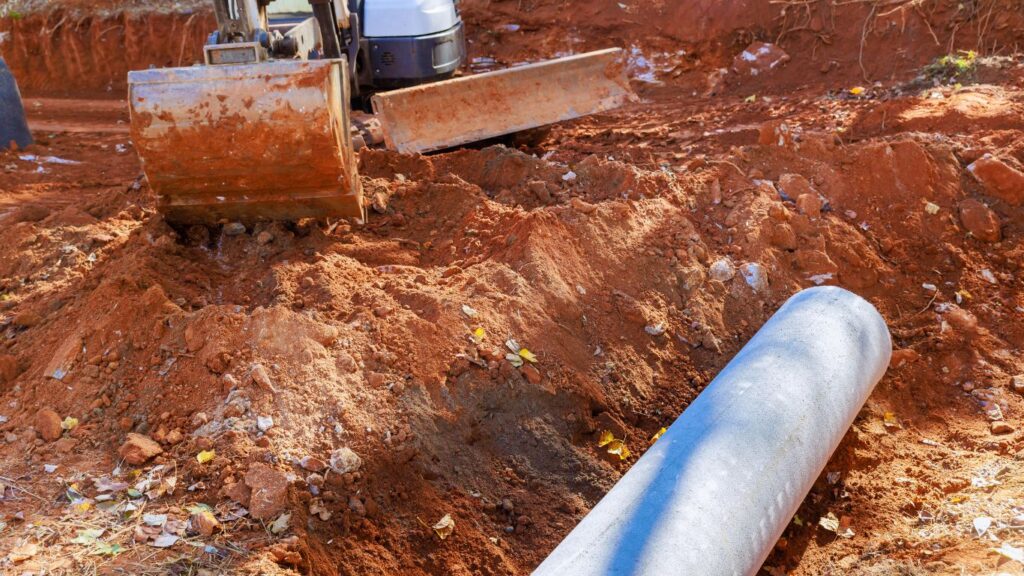
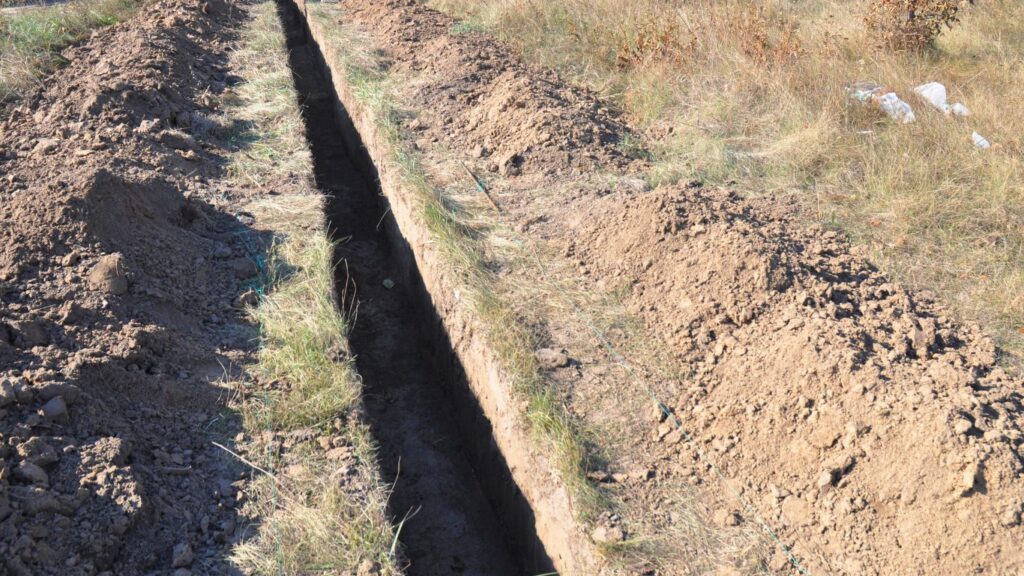
Trenching & Plumbing
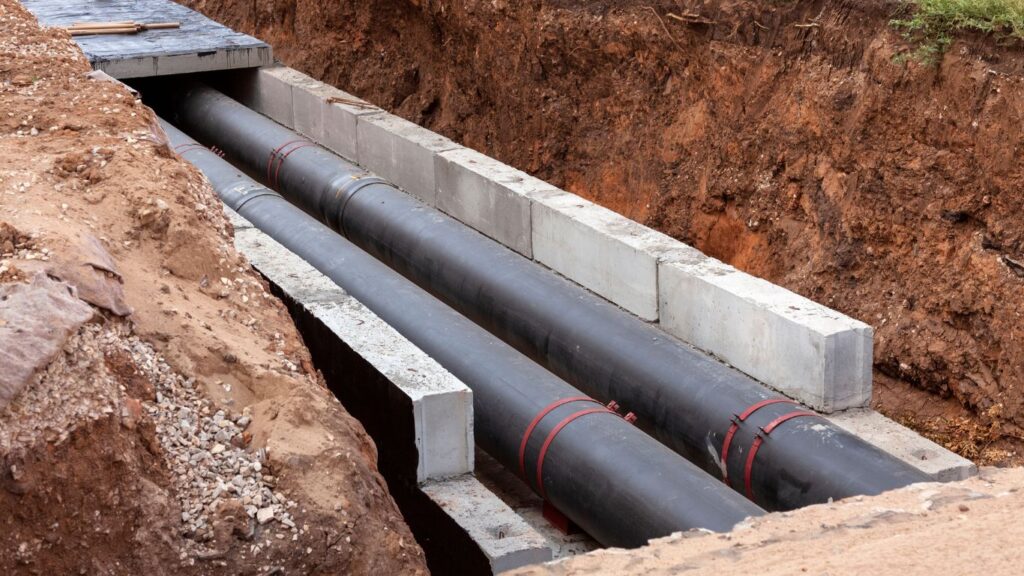
Piping and connections that carry rainwater from the collection area to storage, filtration, and designated points of use.
Electrical Components
Electrical service and connections for pumps, filtration equipment, controls, and other system components.
Filtration & Water Treatment
Pre-filtration, sediment filtration, treatment, and disinfection components selected according to how the collected water will be used.
Excavation & Site Preparation
Clearing, grading, pad preparation, and other site work needed for proper tank placement and system installation.
The individual components matter, but so does how they work together. A well-designed rainwater collection system should be planned as one integrated water system—not simply a tank connected to a roof.
Need the complete system designed and installed? Explore Texas Land Authority’s turnkey rainwater harvesting services.
Secure your water supply today.
Take a proactive approach.

If you live near Boerne, Kerrville, Fredericksburg, Bulverde, Spring Branch, Blanco, Canyon Lake, Marble Falls, or Wimberley, Texas – contact us today for a free rainwater collection consultation.

Service Area

Welcome to Texas Land Authority. We are a veteran-owned rainwater harvesting company serving The Texas Hill Country northwest of San Antonio, Texas. Founded with a commitment to excellence and fueled by the values instilled through military service, we bring a unique blend of precision, integrity, and dedication to every project.
Texas Land Authority
Rainwater Collection Systems
123 Spring Branch Road
Spring Branch, Texas 78070
Phone: 210-760-4435

© 2026 Texas Land Authority Rainwater Collection Systems | All Rights Reserved | Privacy Policy